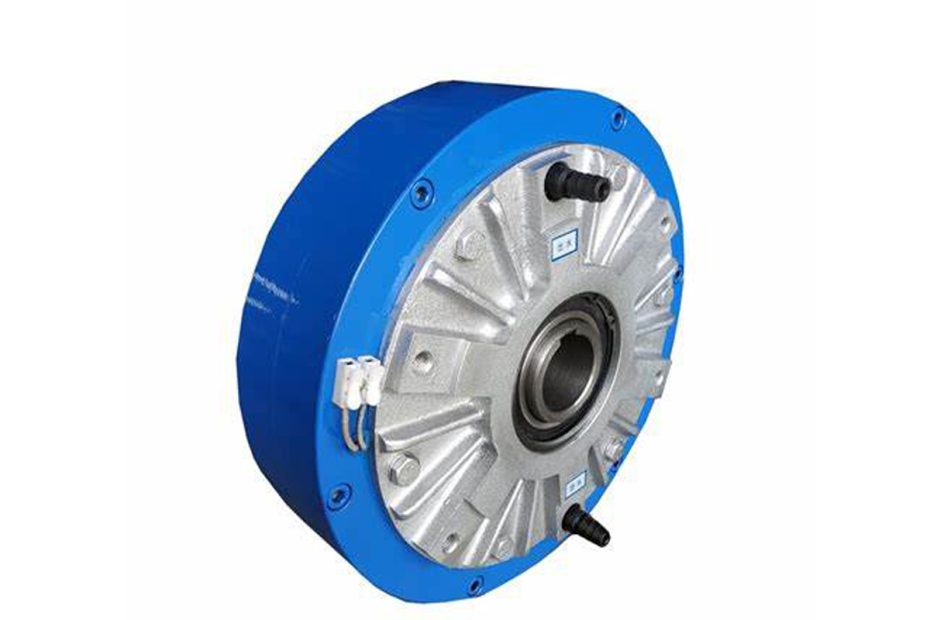
A magnetic Particle brake is an electromagnetic braking device that uses magnetic powder slip technology to control braking torque within a specific range. By adjusting the electromagnetic force, the system precisely regulates resistance and torque transmission during operation.
A typical Magnetic Particle Brakes mainly consists of a rotor, stator, electromagnetic coil, magnetic powder chamber, shaft assembly, and terminal box.
When the electromagnetic coil energizes, it generates a magnetic field inside the brake. The magnetic powder then forms magnetic chains that connect the rotor and stator. As a result, the brake creates controllable resistance torque. By changing the excitation current, operators can accurately adjust the braking force according to different production requirements.
Thanks to its fast response speed, strong braking capability, and high control accuracy, the magnetic Particle brake has become an essential component in many industrial automation systems. In addition, since the device minimizes direct mechanical friction during operation, it achieves a longer service life and more stable performance.
Today, manufacturers widely use magnetic Particle brakes in printing machinery, packaging equipment, sewing machines, textile machinery, wire and cable production lines, paper processing systems, and other tension-control applications.
Five Major Performance Advantages of Magnetic Particle Brakes
- Wide Torque Adjustment Range — Operators can easily and accurately control braking torque by adjusting the excitation current. This flexible regulation allows the system to adapt to different materials, speeds, and production conditions.
- Excellent Stability — Magnetic Particle brakes provide highly stable braking force throughout operation. Even when rotational speed changes, the brake continues to maintain consistent torque output. Consequently, the system ensures smooth tension control and stable product quality.
- Fast Response Speed — The brake responds within milliseconds or even faster after receiving a control signal. Therefore, it can quickly execute braking actions and meet the demands of high-speed automated production lines.
- Low Energy Consumption— During braking, the device consumes only a small amount of electrical energy. Compared with many traditional braking systems, magnetic Particle brakes offer better energy efficiency and help reduce operating costs.
- Minimal Maintenance Requirements — Unlike conventional friction-based braking systems, magnetic Particle brakes do not require lubricating oil for normal operation. As a result, operators can reduce maintenance frequency, minimize downtime, and lower replacement costs for wear components.
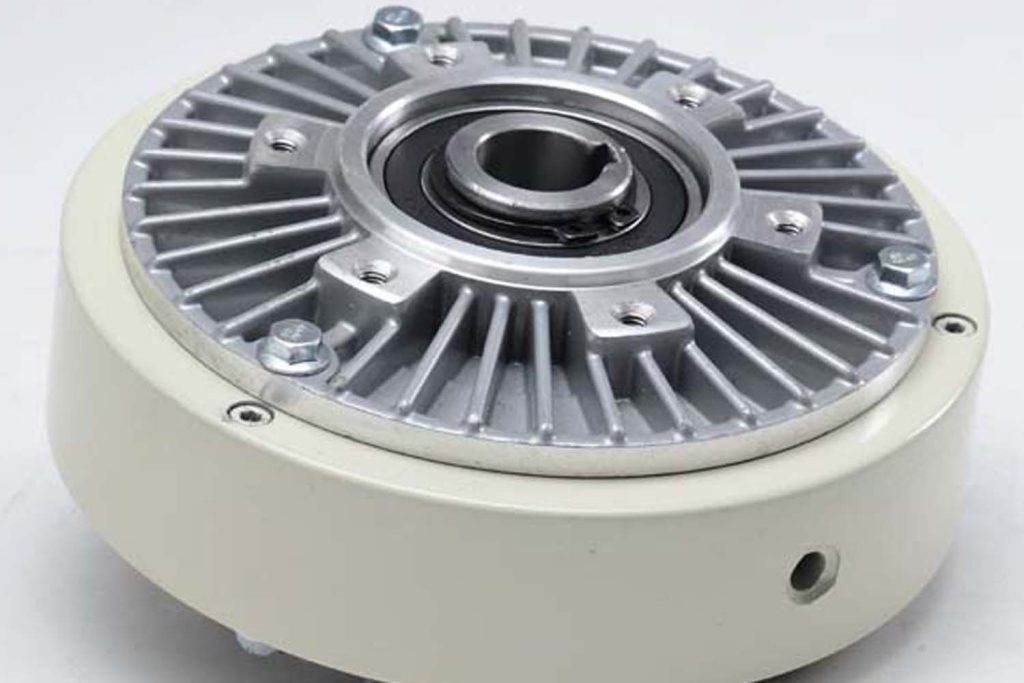
Key Maintenance Considerations for Magnetic Particle Brakes
Proper maintenance plays an important role in ensuring stable performance and extending equipment life. Operators should pay attention to the following maintenance practices:
- Lubricate Key Mechanical Components — Regularly lubricate the contact surfaces between gears as well as bearings and lead screw components. Proper lubrication reduces friction, prevents abnormal wear, and improves operational stability.
- Monitor Motor Temperature — Check whether the motor temperature rises beyond the recommended operating range. Excessive heat may indicate overload conditions, ventilation problems, or electrical faults.
- Inspect Operating Noise — Carefully observe any unusual sounds generated during machine operation. Abnormal noise often signals mechanical wear, misalignment, or internal component damage. Early inspection helps prevent more serious failures.
- Replace Magnetic Particle Correctly — Only qualified technicians should replace the magnetic Particle inside the brake or magnetic Particle clutch. Incorrect handling may affect braking accuracy and overall equipment performance.
- Check Bolt Tightness — Inspect all mounting bolts regularly to ensure they remain securely fastened. Loose bolts can cause vibration, instability, and potential equipment damage during operation.
Typical Industrial Applications of Magnetic Particle Brakes
Because magnetic Particle brakes offer precise tension control and rapid response, many industries rely on them for continuous production processes. Common applications include:
- Printing machinery
- Packaging equipment
- Textile machinery
- Sewing equipment
- Paper converting machinery
- Film and foil processing lines
- Wire and cable manufacturing
- Automated winding and unwinding systems
In these applications, the brake helps maintain constant tension, improve product consistency, and enhance production efficiency.
Conclusion
A magnetic powder brake is an advanced electromagnetic braking device that delivers precise torque control, fast response speed, strong braking capability, and stable operational performance. By using magnetic powder to generate controllable resistance torque, the system achieves smooth and reliable braking without excessive mechanical wear.
Moreover, its low energy consumption, high accuracy, and minimal maintenance requirements make it an ideal solution for modern industrial automation systems. From printing and packaging machinery to textile and wire processing equipment, magnetic powder brakes continue to play a vital role in improving production efficiency, operational stability, and product quality across a wide range of industries.