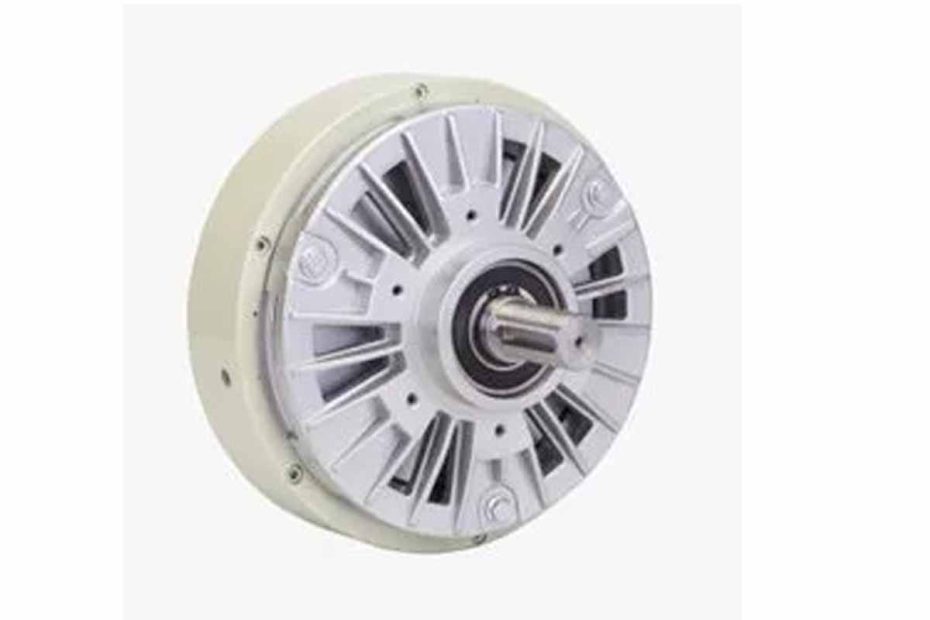
Comparing Magnetic Particle Brakes VS. Electromagnetic Brakes
Magnetic Particle Brakes and Electromagnetic Brakes serve as indispensable components in diverse industrial settings, providing controlled braking solutions
Magnetic Particle Brakes and Electromagnetic Brakes serve as indispensable components in diverse industrial settings, providing controlled braking solutions
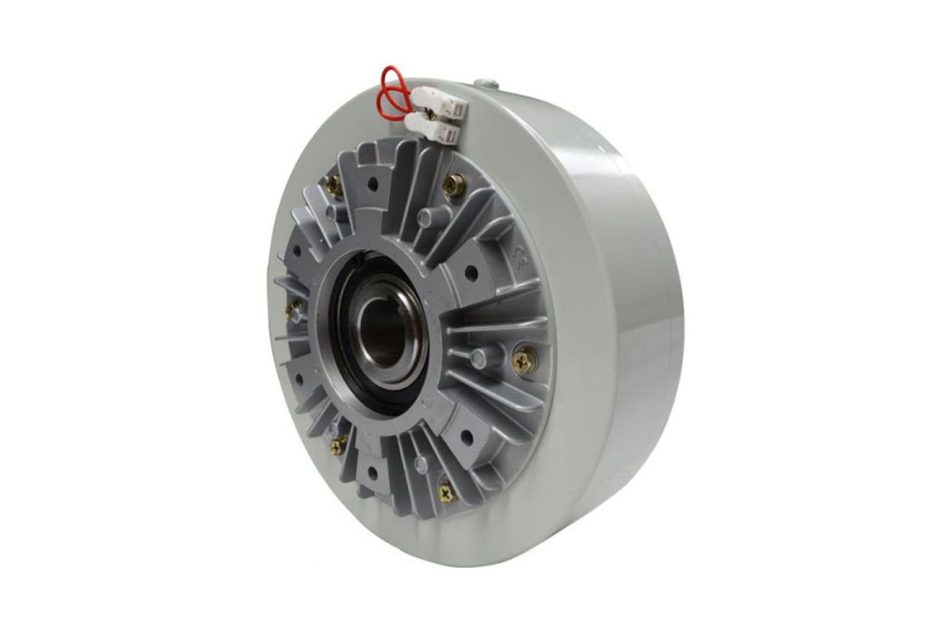
Magnetic Particle Brakes play a crucial role in shaping the torque vs. speed characteristics of mechanical systems.
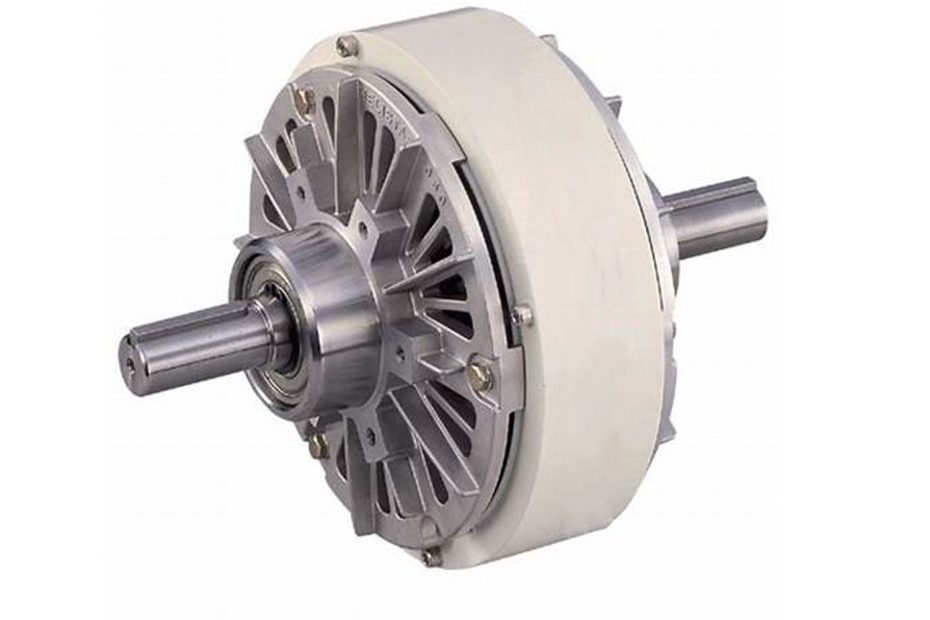
In conclusion, the widespread adoption of magnetic particle brakes in material testing machines can be attributed to their precision control, variable torque adjustment, smooth operation, low maintenance requirements, and resilience to temperature challenges.
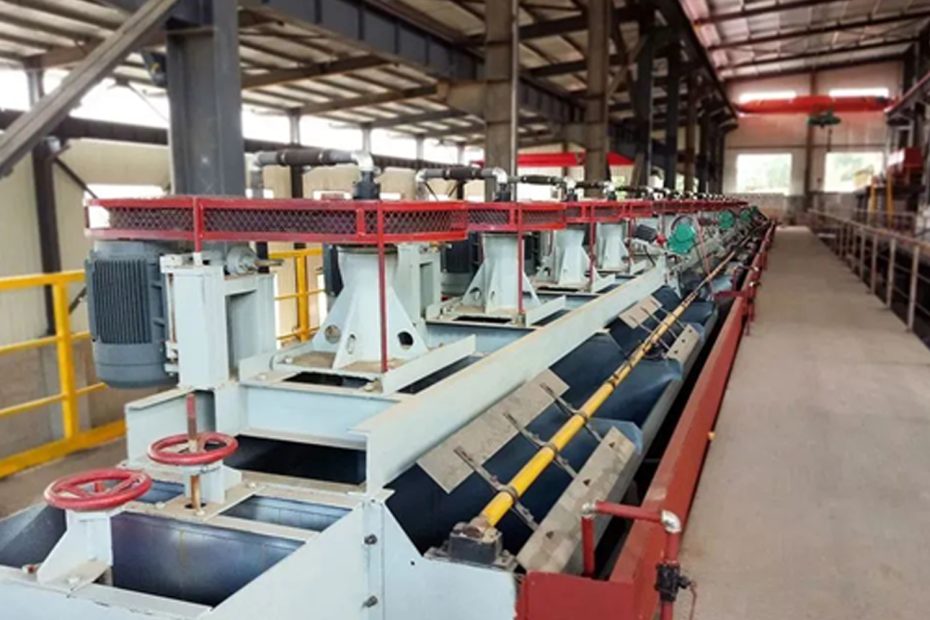
The key steps for barite concentrator testing and design include: ore property analysis, selection of Mineral processing methods, preliminary design, environmental and economic benefit assessment, and design review and implementation.
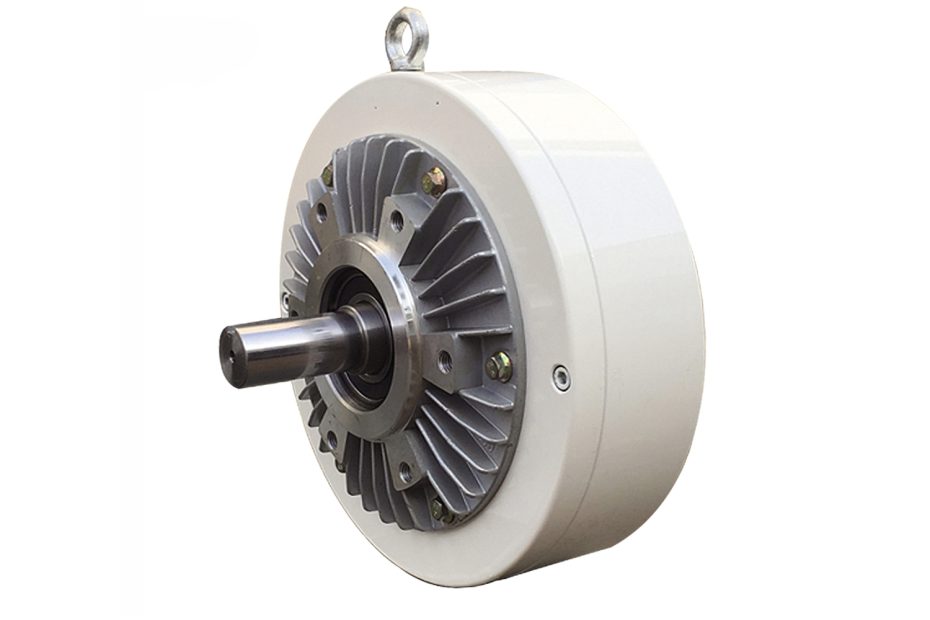
In conclusion, Magnetic Particle Brakes emerge as indispensable components in automotive testing, offering precise torque control, speed stability, compact design, and quick response times.
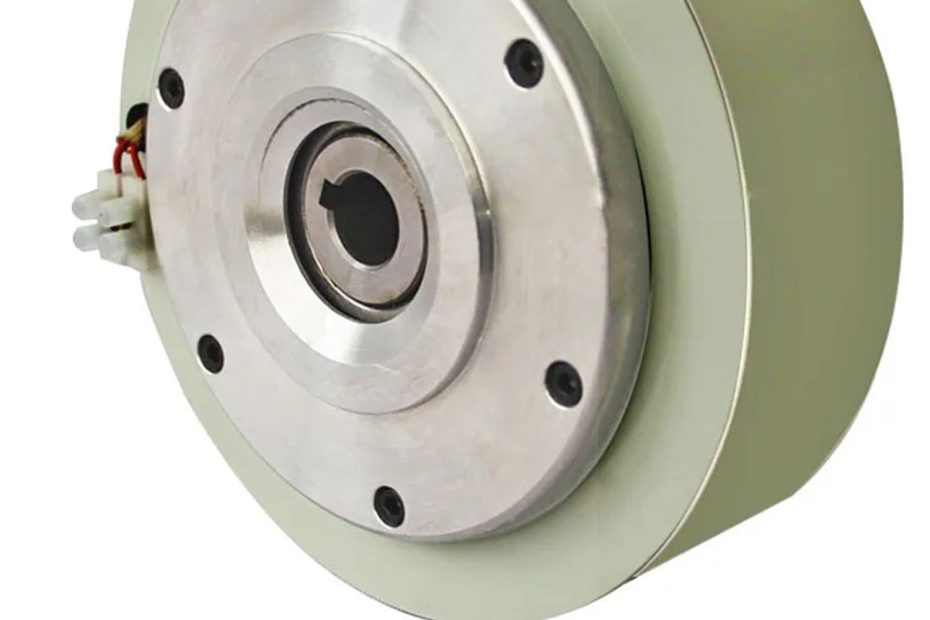
Magnetic Particle Brakes (MPBs) have emerged as a sophisticated solution to address the challenges associated with maintaining consistent tension in web materials.
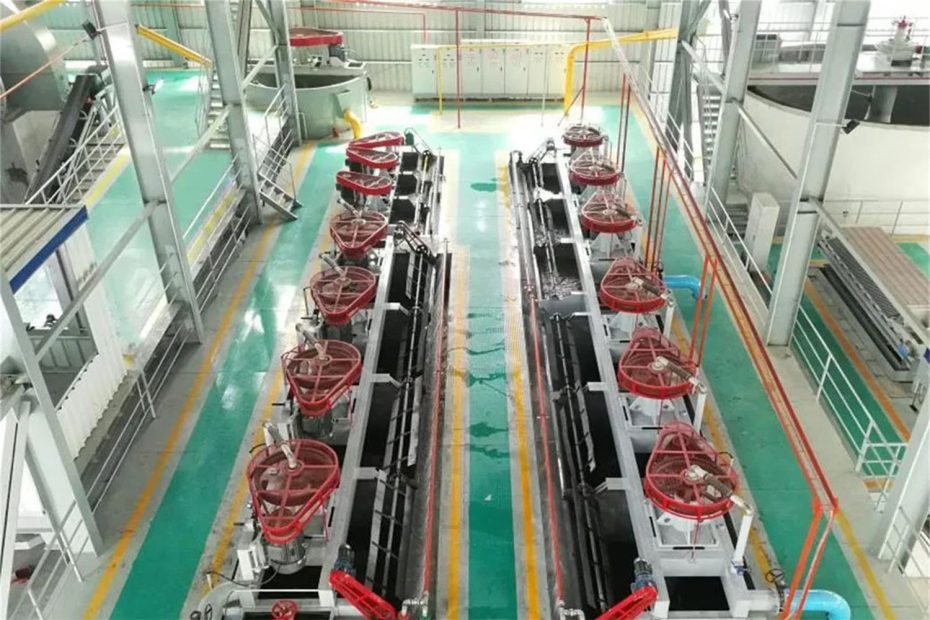
The above is the content about the optimization of lead-zinc ore Mineral processing. In actual production, the lead-zinc ore Mineral processing directly affects the quality of lead-zinc ore concentrate and the benefits of the ore dressing plant.
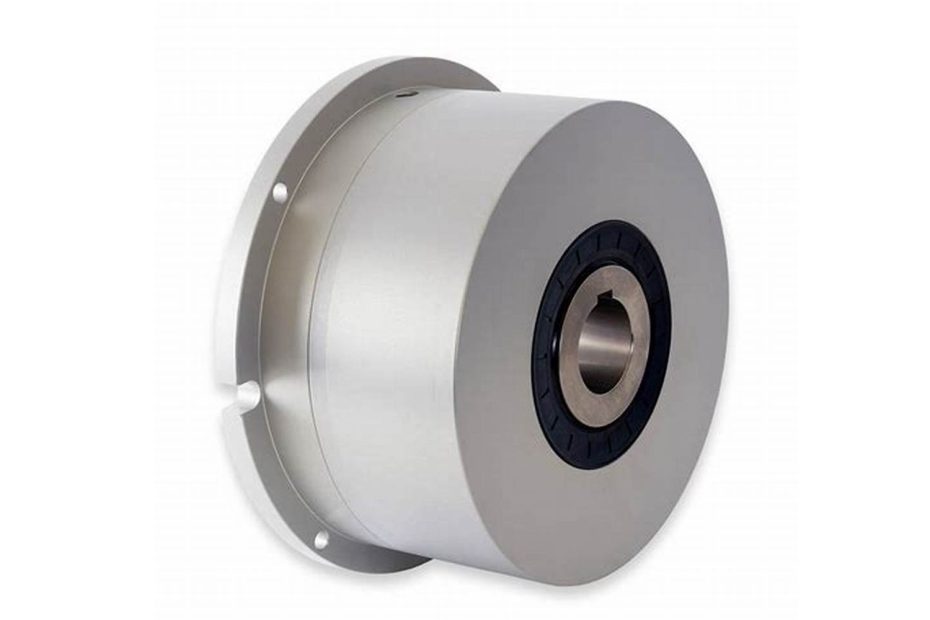
Magnetic Particle Brakes emerge as a beacon of innovation, offering precise torque control through the manipulation of magnetic particles.
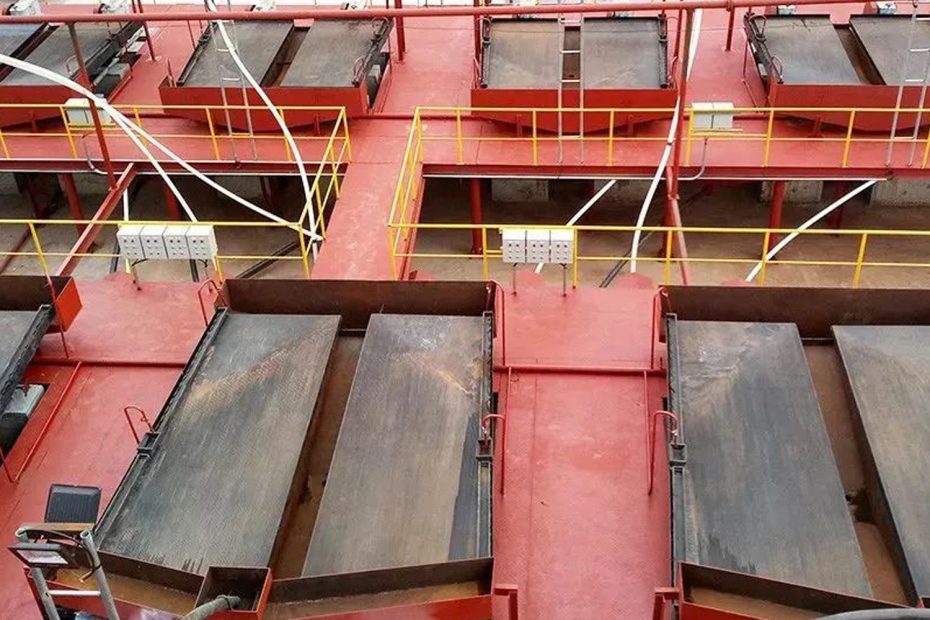
The criteria for judging whether gold mineral processing meets the standards are multi-dimensional, covering many aspects such as gold grade, recovery rate, and concentrate quality. Gold element content is a direct indicator to measure the effect of mineral processing, which reflects the degree of gold enrichment during the mineral processing process.
In conclusion, Magnetic Particle Brakes emerge as a compelling alternative to traditional braking systems, offering a blend of precision, efficiency, and reliability.