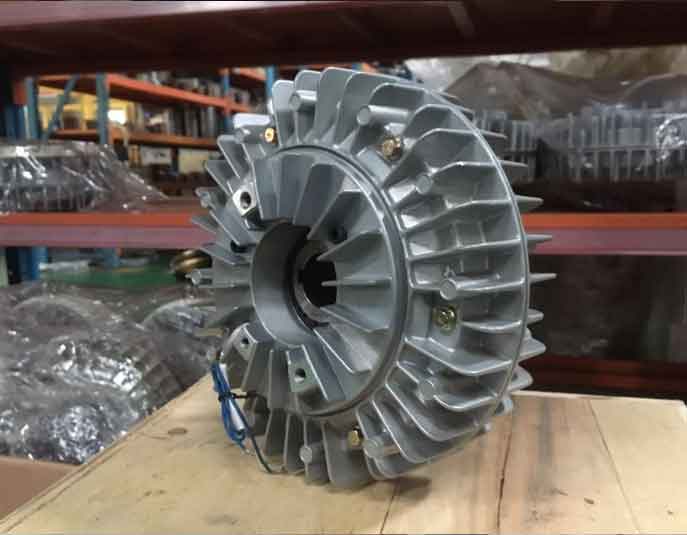
Typical applications and precautions of magnetic particle brakes
A magnetic particle brake is a typical automatic control component used in tension control, speed control, and torque regulation systems to achieve precise torque and speed adjustment.
A magnetic particle brake is a typical automatic control component used in tension control, speed control, and torque regulation systems to achieve precise torque and speed adjustment.
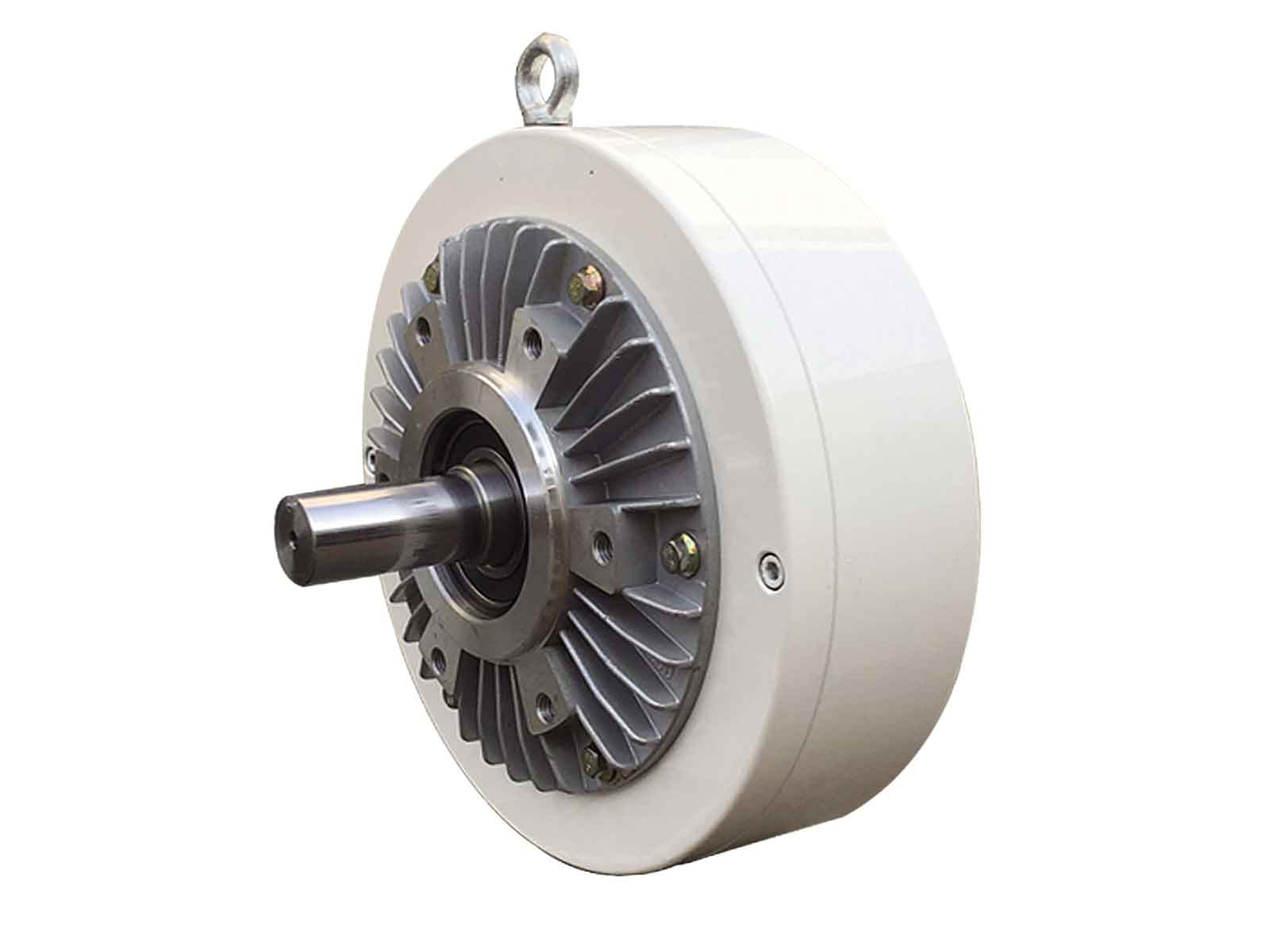
Magnetic particle clutches are versatile devices used in various industrial applications for transmitting torque and controlling rotational motion.
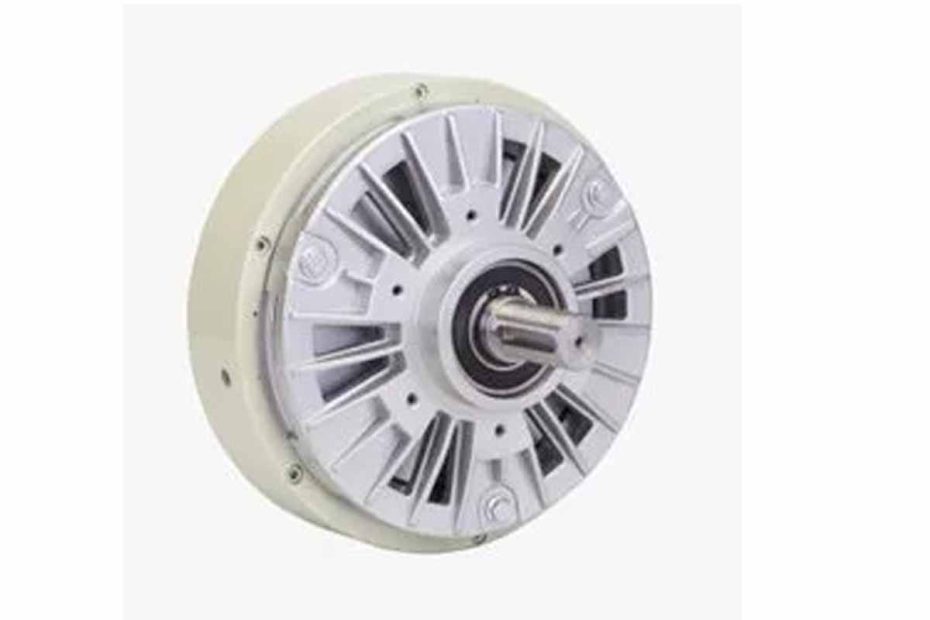
Magnetic Particle brake can easily control the torque within the range of 5% to 100% of rated torque by changing the magnitude of excitation current, and the excitation current is in direct proportional linear relationship with the torque it transmits.
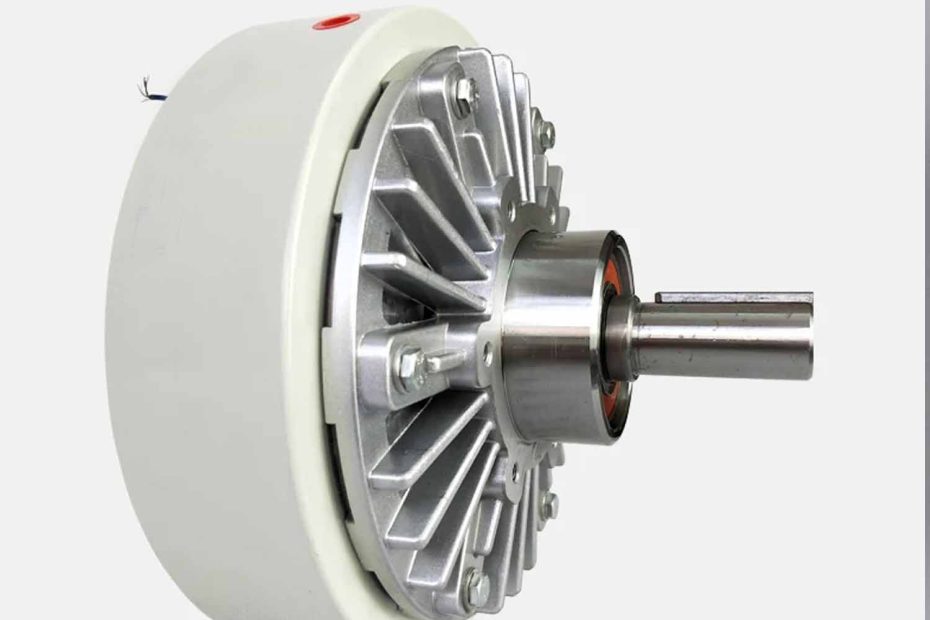
Magnetic Particle clutch, also known as electromagnetic Particle clutch, is based on electromagnetic principle and uses magnetic Particle to transmit torque.
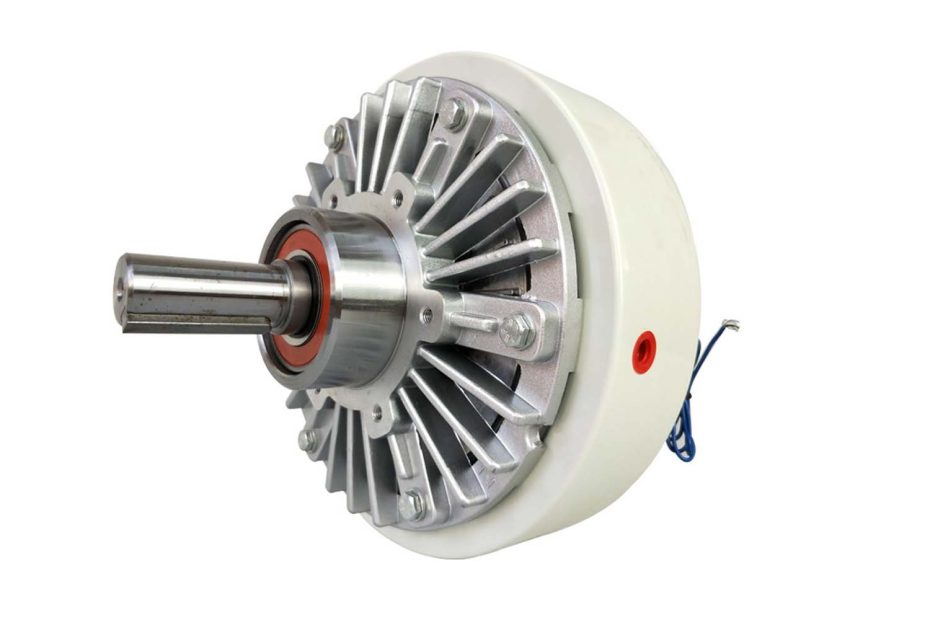
Magnetic Particle clutch is a multi-purpose automatic control component with simple structure, no pollution, no noise, no impact vibration, and is widely used in unwinding and winding tension control in papermaking, printing, plastics, rubber, textiles, printing and dyeing, wire and cable, metallurgy, tablet presses and other related winding processing industries.
The machine-mounted magnetic Particle brake has the advantages of simple structure and control, high-speed response, high control accuracy, wide torque control range, low power consumption, low operating noise, and durability. It can be used for braking (brake) of various machines, as well as for tension control and torque measurement loaders of various systems.
Magnetic Particle Brakes is a new type of transmission element that uses magnetic powder as a medium to form a magnetic powder chain to transmit torque when energized.
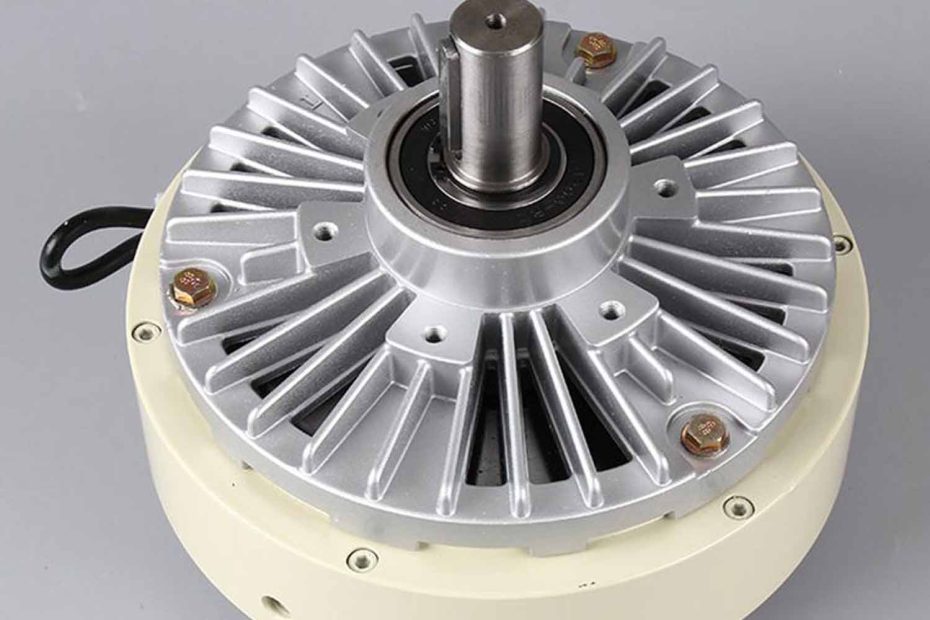
Magnetic Particle brake is a device that utilizes the magnetization characteristics of magnetic Particle for braking.
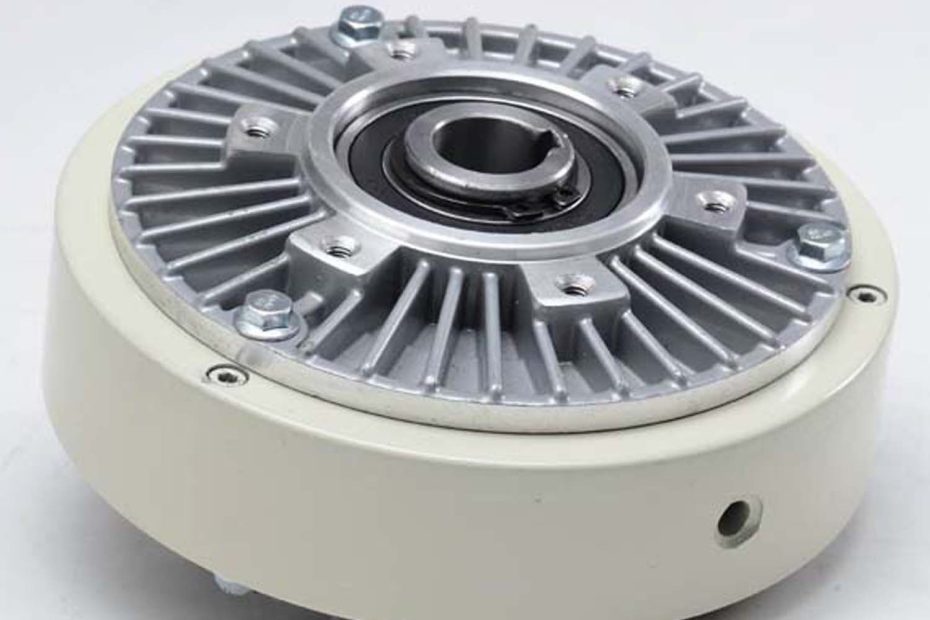
The ascent of magnetic particle brakes in material testing machines is fueled by their precision advantage, variable torque adjustment, smooth operation, low maintenance requirements, temperature resilience, and application diversity.
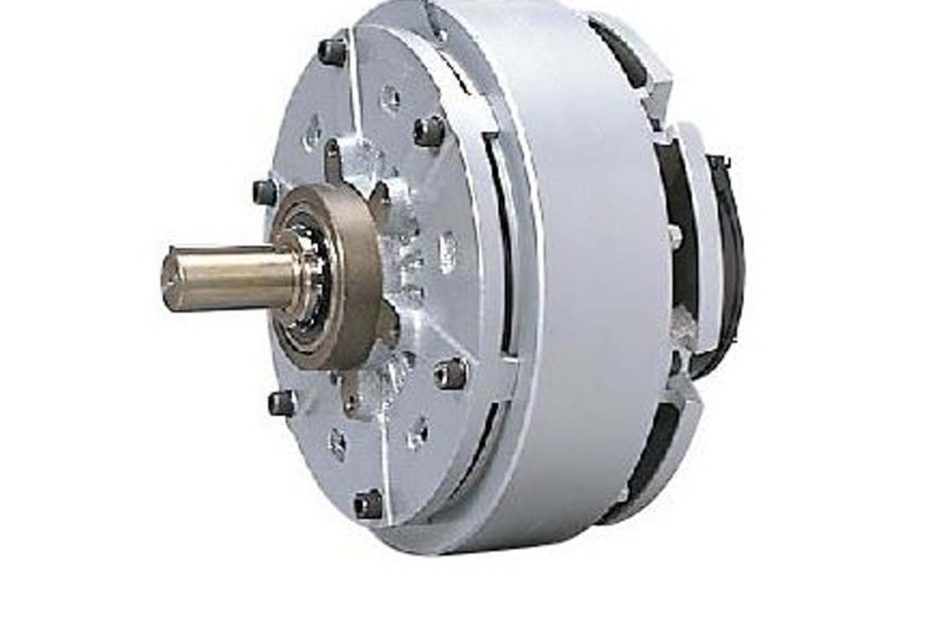
The frame-type magnetic Particle brake has the advantages of simple structure and control, high-speed response, high control accuracy